
Understanding the early warning signs of frying oil deterioration is crucial for businesses that rely on deep-frying as a core part of their culinary offerings. The quality of frying oil not only affects the taste and texture of food but also plays a significant role in customer satisfaction. By proactively managing and maintaining your frying oil, you can avoid customer complaints, ensuring that every meal served meets high standards.
One primary indicator that your frying oil needs attention is its color. Fresh frying oil typically has a light golden hue, which darkens over time due to repeated use and exposure to heat. When the oil becomes excessively dark, it indicates oxidation and breakdown, which can impart an undesirable flavor to food items. Regularly monitoring the color of your cooking oil helps identify when it’s time for replacement or filtration.
Another critical factor is the smell emanating from the fryer. High-quality frying oil warning signs should have little to no odor when heated; however, if you notice off-putting smells such as burnt or rancid odors, it’s a clear sign that the oil has degraded significantly. These smells can transfer to fried foods, leading customers to complain about strange flavors or aromas in their meals.
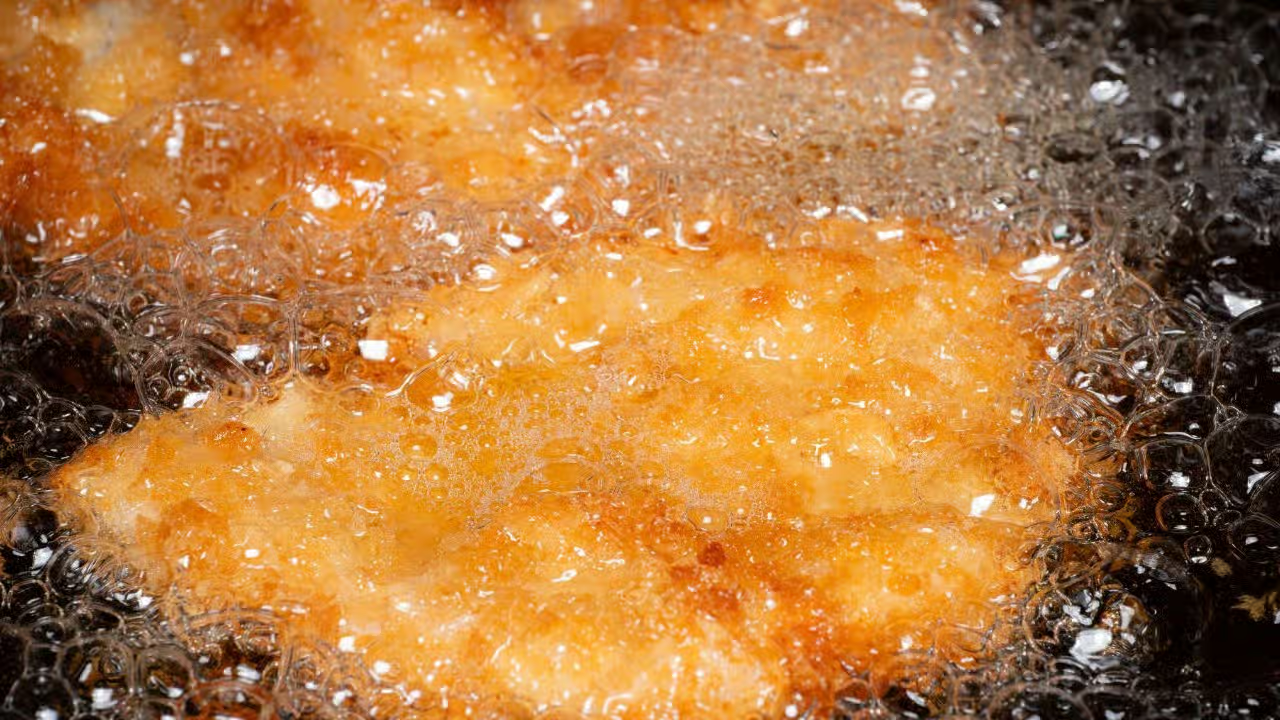
Foaming is another visible sign that your frying oil may be past its prime. While some foaming can occur naturally during cooking due to moisture content in foods, excessive foaming suggests contamination from food particles or emulsification issues within the oil itself. This not only affects cooking efficiency but also impacts food quality by creating unevenly cooked products.
Viscosity changes are equally important warning signs to observe. As oils break down under high temperatures and continuous use, they become thicker and more viscous than fresh oils. This change affects how heat transfers between the fryer and food items being cooked—resulting in longer cook times—and potentially leads to soggy rather than crispy textures.
Regular testing with simple tools like test strips designed specifically for measuring free fatty acids (FFA) or total polar materials (TPM) levels provides quantitative data on your fryer’s health status beyond visual inspection alone. Implementing routine checks ensures timely interventions before degradation severely impacts product quality.
To maintain optimal performance from your frying equipment while minimizing waste costs associated with frequently changing out old batches unnecessarily often requires investing time into training employees properly regarding these key indicators alongside establishing standard operating procedures around regular maintenance actions like filtering systems routinely throughout each shift cycle where applicable too!